
Understanding how your brain and emotions react under pressure is actually a superpower when it comes to driving. It's not just about knowing the rules of the road, but also understanding the "rules" of your own mind. Recognizing how anxiety affects your focus, reaction time, and decision-making can help you develop strategies to stay calm, centered, and ultimately, a much safer driver. Learning to manage your emotions behind the wheel is as important as learning to steer!
Here’s a simple but powerful tip: Before you evenstartattempting to parallel park, take three deep breaths. Inhale slowly, hold for a few seconds, and exhale even slower. This simple act can significantly lower your heart rate and help you regain focus, allowing you to approach the situation with a clearer head.
How Anxiety Hijacks Your Driving Skills
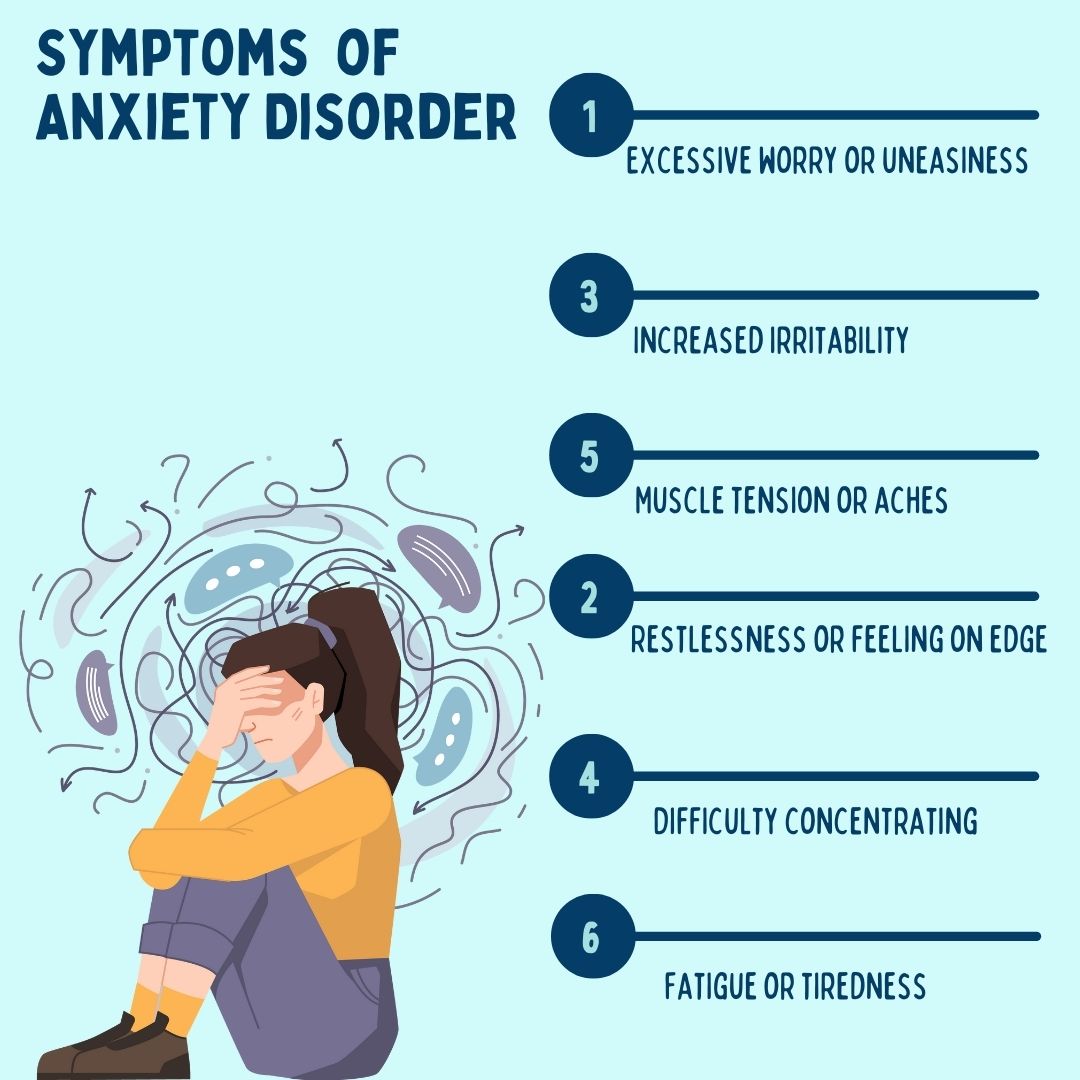
Anxiety doesn’t just make you feel nervous; it directly impacts your cognitive functions. When you're anxious, your brain shifts into "fight or flight" mode, which prioritizes immediate survival over precise motor skills. This means things like judging distances, coordinating your hands and feet, and remembering the steps of parallel parking become much harder. This is also important when practicing road rage prevention — anxiety can definitely be a trigger.
Think of it like trying to solve a math problem while someone is shouting in your ear. The stress makes it difficult to concentrate and recall what you know. Driving, and especially parallel parking, requires focus and coordination. Anxiety throws a wrench into the whole system.
For example, anxious drivers might: Oversteer or understeer: Their movements become jerky and less precise. Misjudge distances: Leading to bumping into other cars or failing to get into the space. Forget the steps: Panicking and losing track of where they are in the maneuver. Freeze up: Becoming completely unable to move, blocking traffic and increasing the pressure.
This is why managing anxiety is so crucial for safe driving habits.
What triggers aggressive driving?
Aggressive driving can be fueled by a number of factors, and anxiety is definitely one of them. Feeling stressed, pressured, or like you're constantly being judged can lead to frustration and anger behind the wheel. Other triggers include feeling late, being cut off by another driver, or simply having a bad day. Understanding these triggers can help you anticipate and manage your reactions, promoting safer and calmer driving. Remember, taking a moment to breathe and reframe your perspective can make a huge difference in preventing aggressive behavior.
Practical Strategies for Staying Calm
Okay, so we know anxiety is the enemy. But how do you fight back? Here are some proven strategies for staying calm and confident during those nerve-wracking parking situations.
1.Practice, Practice, Practice: This might seem obvious, but the more comfortable you are with the mechanics of parallel parking, the less anxiety you’ll feel. Find an empty parking lot and practice until the steps become second nature. Repetition builds muscle memory and reduces the mental load during real-world situations.
2.Visualization: Before you even get in the car, visualize yourself successfully parallel parking. Imagine the steps, the movements, and the feeling of smoothly gliding into the space. Mental rehearsal can significantly boost your confidence and reduce anxiety when the real situation arises.
3.Preparation is Key: Before attempting to park, take a slow drive-by of the space. Assess the size, note any obstacles, and plan your approach. This proactive step helps you feel more in control and less overwhelmed. It will also ensure you are following safe driving habits.
4.Break it Down: Don’t try to do everything at once. Focus on one step at a time. Align your car, check your mirrors, and slowly begin the maneuver. Breaking the process into smaller, manageable steps can reduce the feeling of being overwhelmed.
5.Self-Compassion: Everyone makes mistakes. If you don’t get it right the first time, don’t beat yourself up. Acknowledge the mistake, learn from it, and try again. Be kind to yourself, and remember that practice makes perfect.
6.Mindfulness Techniques: Simple mindfulness exercises, like focusing on your breath or paying attention to the sensations in your body, can help you stay grounded in the present moment and reduce anxiety. Try counting your breaths or focusing on the feeling of your hands on the steering wheel.
How can I stay calm in traffic?
Staying calm in traffic is a skill that improves with practice. Deep breathing exercises are a great tool – inhale slowly through your nose, hold for a few seconds, and exhale slowly through your mouth. This can help lower your heart rate and reduce feelings of stress. Another helpful technique is to reframe your perspective. Instead of focusing on the delay, use the time to listen to calming music, an audiobook, or practice gratitude. Remember, arriving a few minutes later is better than arriving stressed and anxious. Staying calm in traffic also contributes to road rage prevention.
Building Confidence Over Time
Confidence isn't built overnight; it's a gradual process of gaining experience and overcoming challenges. Each successful parallel park, no matter how small, is a victory that contributes to your overall confidence. Celebrate those wins, and don’t let setbacks discourage you.
Here are some additional tips for building confidence over time: Start Small:Begin practicing in low-pressure situations, such as empty parking lots or quiet streets. Gradually increase the difficulty as you become more comfortable.
Seek Feedback: Ask a trusted friend or family member to provide constructive feedback on your driving. Hearing positive reinforcement and specific areas for improvement can be incredibly helpful.
Professional Lessons: Consider taking a few lessons with a qualified driving instructor. They can provide personalized guidance and help you develop effective techniques.
Positive Self-Talk: Replace negative thoughts with positive affirmations. Instead of thinking, "I can't do this," try thinking, "I'm learning, and I'm getting better every day."
Remember Your Progress: Keep a record of your progress, whether it's mentally noting successful maneuvers or writing them down in a journal. Reviewing your accomplishments can boost your confidence and motivate you to keep improving.
Why do some drivers get road rage?
Road rage is a complex issue with a variety of contributing factors. As discussed, anxiety plays a significant role, but other factors include stress, frustration, a sense of entitlement, and even personality traits. Some drivers may have a lower tolerance for frustration or be more prone to impulsive behavior. Traffic congestion, feeling late, and perceived slights from other drivers can also trigger aggressive reactions. Understanding the psychology of road rage is the first step in preventing it, both in yourself and in others.
You’ve got this. Remember that every driver, even the most seasoned ones, started exactly where you are. By understanding how anxiety affects your driving and implementing these strategies, you can transform that feeling of dread into one of confidence and control. Each time you successfully parallel park, you're not just mastering a skill; you're mastering your emotions, and that's a victory worth celebrating! You're well on your way to developing safe driving habits and confidence-building for young drivers.