
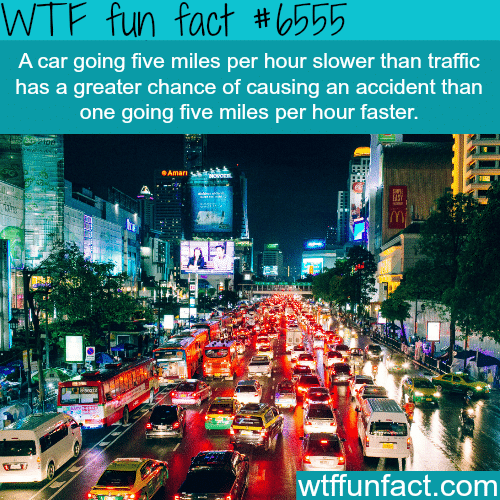
Ever feel that little knot of frustration tightening in your stomach when you're cruising along and suddenly find yourself stuck behind someone driving way slower than everyone else? You're not alone. It’s a common experience that can be confusing and, frankly, a little annoying.
Understanding why some people drive slower than the flow of traffic isn’t just about venting your frustrations. It's actually a really useful skill for becoming a safer, more patient, and ultimately, a more confident driver. By grasping the reasons behind this behavior, you can anticipate it, react appropriately, and avoid potentially dangerous situations. And, you know, maybe even chill out a little behind the wheel.
Here's a simple tip right off the bat: remember that everyone on the road has a different level of comfort and experience. A little empathy can go a long way in keeping you calm and focused.
Why the Slow Lane Isn't Always Slow
It might seem obvious, but the main reason someone is driving slower than the general traffic speed is becausetheyperceive a different level of risk or comfort than other drivers. This could stem from a variety of factors. Maybe they're unfamiliar with the area, perhaps they're driving an older car with less responsive brakes, or they might simply be more cautious by nature. Speed limits are set for ideal conditions, and some people are more aware of how current conditions like rain or heavy traffic might change what is actually a safe speed.
Beyond that, think about the psychological aspect. Driving can be stressful! Some people simply aren't as comfortable handling driving stress as others. New drivers, especially, can feel overwhelmed by the sheer number of things they need to pay attention to. A senior driver might be dealing with slower reflexes or vision issues. It's crucial to remember that you don't always know what's going on in someone else's car, or in their life.
Consider too that some drivers might have a legitimate reason to be cautious. Perhaps they're transporting something fragile, or they have precious cargo like children or pets in the vehicle.
People Also Ask: Why do some drivers get road rage?
Road rage often stems from a feeling of being blocked or disrespected. When someone perceives another driver as intentionally hindering their progress, or driving in a way they deem "wrong," it can trigger anger and frustration. It's easy to see how someone driving significantly slower than the flow of traffic could trigger this feeling in other drivers. Understanding the psychology of road rage can help you practice road rage prevention by recognizing these triggers in yourself and others.
Common Scenarios and How to React
So, what do you do when you encounter a slower driver? First, take a deep breath. Seriously, it works! Getting agitated won’t make the situation better; it will only cloud your judgment and increase the risk of an accident.
Assess the Situation: Are you on a multi-lane highway? If so, the solution is usually simple: safely change lanes and pass the slower vehicle. Make sure to signal your intentions clearly and check your blind spots. Patience is Key: If changing lanes isn't an option (due to heavy traffic or a single-lane road), try to maintain a safe following distance. Tailgating a slower driver won't make them go faster; it will only make them nervous and potentially cause them to brake suddenly. Avoid Aggressive Behavior: Resist the urge to honk your horn excessively or make aggressive gestures. This is just going to escalate the situation and could lead to a confrontation. Adjust Your Expectations: Accept that you might be delayed slightly. A few extra minutes are not worth risking an accident or engaging in road rage. Sometimes, the best course of action is simply to adapt to the situation and maintain a calm, focused attitude.
Remember that maintaining safe driving habits is crucial. That means staying aware of your surroundings, anticipating potential hazards, and reacting calmly and responsibly. Think of it as defensive driving; you're not just driving your own car, you're also managing the behavior of other drivers around you.
People Also Ask: How can I stay calm in traffic?
Staying calm in traffic is a skill that can be learned and honed. Deep breathing exercises, listening to calming music, and avoiding distractions can all help. Recognizing your own triggers for frustration and developing strategies to manage them is also key. For example, telling yourself "It's okay, I'm not going to let this bother me" can be surprisingly effective. Developing confidence-building for young drivers involves mastering these skills.
The Impact of Distractions
It's important to acknowledge that distractions can contribute to slow driving. A driver who's texting, talking on the phone, or fiddling with their GPS might be less aware of their speed and the surrounding traffic. This is a major problem, as distracted driving is a leading cause of accidents.
As a young driver, you've probably heard this a million times, but it bears repeating: put your phone away! No text message or phone call is worth risking your safety or the safety of others. Even hands-free devices can be distracting, so it's best to minimize their use while driving.
Similarly, avoid other distractions like eating, drinking, or grooming while behind the wheel. The more focused you are on the task of driving, the better you'll be able to react to unexpected situations, including slower drivers.
Building Confidence and Managing Anxiety
For new drivers, the anxiety of merging onto a busy highway or navigating unfamiliar roads can be overwhelming. This anxiety can sometimes manifest as driving slower than the flow of traffic. It’s perfectly normal to feel nervous, but it's important to find healthy ways to manage your anxiety and improve your confidence.
Practice Makes Perfect: The more you drive, the more comfortable you'll become. Start with shorter trips on familiar routes and gradually increase the distance and complexity as your confidence grows. Take a Defensive Driving Course: These courses can teach you valuable skills for anticipating and avoiding hazards, as well as techniques for managing stress behind the wheel. Find a Driving Buddy: Driving with a trusted and experienced friend or family member can provide support and encouragement, especially when you're first starting out. Visualize Success: Before getting behind the wheel, take a few minutes to visualize yourself driving calmly and confidently. This can help to reduce anxiety and improve your performance.
Remember, every driver on the road was once a beginner. It takes time and experience to develop the skills and confidence needed to navigate traffic safely and effectively. Be patient with yourself, celebrate your progress, and don't be afraid to ask for help when you need it.
People Also Ask: What triggers aggressive driving?
Aggressive driving can be triggered by a variety of factors, including feeling rushed, experiencing traffic delays, and dealing with personal stress. Some people are simply more prone to aggressive behavior than others. However, understanding the triggers can help you manage your own behavior and avoid escalating situations. Road rage prevention starts with self-awareness.
The Golden Rule of Driving
Ultimately, the best way to handle slower drivers is to apply the golden rule: treat others as you would like to be treated. Remember that everyone on the road is just trying to get where they need to go safely. Approach driving with a spirit of cooperation and respect, and you'll not only be a safer driver but also a more pleasant one.
So, the next time you find yourself behind someone driving slower than you'd like, take a deep breath, remember these tips, and focus on maintaining a safe and calm attitude. You've got this! Becoming a confident and skilled driver is a journey, and every situation, even a frustrating one, is an opportunity to learn and grow. Keep practicing those safe driving habits, and you'll be well on your way.