
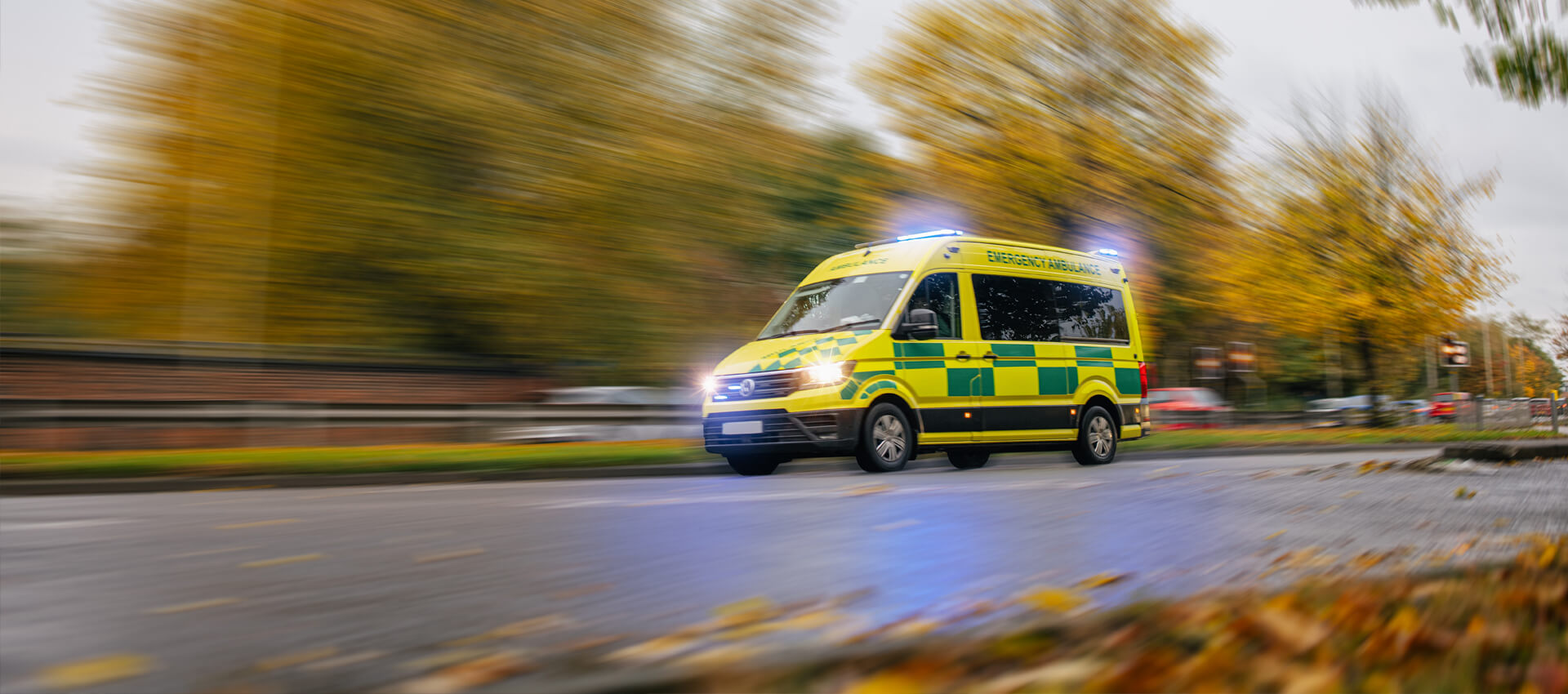
That siren cuts through the air, and suddenly your heart skips a beat. It’s normal to feel a little stressed when you hear an ambulance, fire truck, or police car approaching. Knowing exactly what to do – and why – can make all the difference in staying safe and keeping everyone else safe too.
Understanding how driverstendto react in these situations can actually make you a much more confident and prepared driver. It's not just about knowing the rules, but also anticipating what other drivers might do (or not do!) in a moment of panic or confusion. This peek into “traffic psychology” empowers you to make smarter, safer decisions behind the wheel.
Here's a simple tip: Before you even start your car, take a deep breath. Consciously relaxing your shoulders and hands will help you stay calmer and more focused, especially when unexpected things happen on the road.
Understanding the Urgency: Why Emergency Vehicles Need Space
Emergency vehicles – ambulances, fire trucks, and police cars – are responding to situations where every second counts. Their sirens and flashing lights are a signal to clear the way, allowing them to reach their destination as quickly and safely as possible. Understanding this urgency helps you appreciate the importance of reacting correctly and promptly. Think of it as contributing to your community's safety. It's a small act that can have a huge impact.
What the Law Says: Your Legal Obligations
The specific laws regarding yielding to emergency vehicles can vary slightly from state to state, but the general principles are consistent: Yield the Right-of-Way: When an emergency vehicle approaches with flashing lights and a siren, you must yield the right-of-way. This means moving your vehicle out of its path. Pull to the Right: The most common and safest way to yield is to pull over to the right side of the road and stop. Make sure you signal your intentions clearly. Stay Stopped: Remain stopped until the emergency vehicle has passed. Don't assume it's safe to proceed just because the siren seems to be fading. There may be other emergency vehicles following. Intersections: If you're at an intersection, don't panic. Assess the situation carefully. If you can safely pull to the right without obstructing the emergency vehicle, do so. If not, remain stopped and allow the emergency vehicle to navigate the intersection. Divided Highways: On a divided highway, pull to the right shoulder if possible. The emergency vehicle may be using the median to bypass traffic. "Move Over" Laws: Many states have "Move Over" laws, which require drivers to move over one lane when approaching stopped emergency vehicles, tow trucks, or other service vehicles with flashing lights. If you can't move over safely, you must slow down significantly.
Important Note: Always check your state's specific laws regarding yielding to emergency vehicles to ensure you are in compliance. A quick search online for “[Your State] Emergency Vehicle Laws” will provide the information you need.
People Also Ask:
What happens if I don't yield to an emergency vehicle?
Failing to yield to an emergency vehicle can result in a ticket, fines, and even points on your driving record. In some cases, it could also lead to more serious charges if your actions cause an accident. Beyond the legal consequences, it's simply the right thing to do to ensure the safety of everyone involved.
Practical Steps: How to React Safely and Effectively
Knowing the law is one thing, but putting it into practice in a real-world situation requires a clear head and quick thinking. Here’s a step-by-step guide to help you react safely and effectively:
1.Stay Calm: The first and most important thing is to remain calm. Panicking can lead to poor decisions. Take a deep breath and assess the situation. This is crucial for staying calm in traffic, even when things get stressful.
2.Identify the Direction: Determine the direction the emergency vehicle is coming from. Is it behind you, approaching head-on, or coming from a side street?
3.Signal Your Intentions: Use your turn signal to indicate your intention to pull over. This helps other drivers and the emergency vehicle crew understand what you're doing.
4.Check Your Surroundings: Before pulling over, check your mirrors to make sure it's safe to do so. Be aware of other vehicles, pedestrians, and cyclists.
5.Pull Over Smoothly: Pull over to the right side of the road as smoothly and safely as possible. Avoid sudden braking or jerky movements that could surprise other drivers.
6.Stop Completely: Come to a complete stop. Make sure your vehicle is out of the path of the emergency vehicle.
7.Wait Patiently: Remain stopped until the emergency vehicle has passed. Don't pull back into traffic until it's safe to do so. Check your mirrors again before re-entering the roadway.
8.Be Aware of Multiple Vehicles: Remember that there may be more than one emergency vehicle responding to the incident. Continue to be vigilant even after the first vehicle has passed.
Example Scenario: You’re driving down a two-lane road and hear a siren behind you. You check your rearview mirror and see an ambulance approaching rapidly. You signal right, check your right-side mirror to ensure it's clear, and then smoothly pull over to the right shoulder, coming to a complete stop. You wait until the ambulance has passed before checking your mirrors again and re-entering the roadway.
Common Mistakes to Avoid
Even with the best intentions, drivers sometimes make mistakes when reacting to emergency vehicles. Here are some common pitfalls to avoid: Panicking and Braking Suddenly: This can create a hazard for other drivers behind you. Brake smoothly and gradually. Road rage prevention starts with controlled reactions. Pulling Over into an Intersection: Avoid pulling over into an intersection, as this can block the path of the emergency vehicle or create confusion for other drivers. Stopping in the Middle of the Road: Don't simply stop in the middle of the road. Pull over to the right as far as possible. Following Too Closely: Never follow an emergency vehicle closely. This is dangerous and can impede their progress. Ignoring the Siren: Don't assume the siren isn't meant for you. Always be vigilant and take appropriate action. Handling driving stress effectively means paying attention to these cues. Pulling Back into Traffic Too Soon: Wait until the emergency vehicle has completely passed and it's safe to re-enter the roadway. Rushing back into traffic can lead to accidents.
People Also Ask:
Why do some drivers seem to freeze up when they hear a siren?
The sound of a siren can trigger a stress response in some drivers, leading to confusion or indecision. This is why practicing these scenarios in your mind can help you react more calmly and effectively when it actually happens. Confidence-building for young drivers includes mental preparation.
Advanced Tips: Anticipating and Adapting
Beyond the basic rules, there are some advanced tips that can help you navigate these situations even more effectively: Anticipate Potential Hazards: Be aware of your surroundings and anticipate potential hazards. For example, if you're approaching an intersection with heavy traffic, be prepared to yield to an emergency vehicle. Use Your Mirrors Effectively: Regularly check your mirrors to be aware of what's happening around you. This will help you spot approaching emergency vehicles sooner. Adjust Your Speed: If you're driving in heavy traffic, adjust your speed to allow for more reaction time. This will give you more time to react safely to an emergency vehicle. Communicate with Other Drivers: Use your turn signals to communicate your intentions to other drivers. This helps prevent confusion and reduces the risk of accidents. Be Patient: Remember that emergency vehicles are responding to urgent situations. Be patient and allow them to pass safely. Consider the Source: Is the emergency vehicle behind you? Ahead? Coming from the side? Understanding the source of the siren helps you determine the best course of action.
Road Rage Prevention: Staying Calm and Focused
The stress of driving, especially in challenging situations like yielding to emergency vehicles, can sometimes lead to frustration and even road rage. Here are some tips for staying calm and focused behind the wheel: Practice Deep Breathing: Deep breathing exercises can help you calm down and reduce stress levels. Listen to Relaxing Music: Listening to calming music can help you stay relaxed and focused. Avoid Aggressive Driving: Don't tailgate, speed, or make aggressive maneuvers. Plan Ahead: Allow yourself plenty of time to reach your destination. This will reduce stress and prevent you from feeling rushed. Take Breaks: If you're feeling stressed or tired, take a break from driving. Pull over to a safe location and stretch your legs. Remember the Bigger Picture: Keep in mind that everyone makes mistakes, and getting angry at other drivers won't solve anything. Traffic behavior explained often comes down to stress management.
People Also Ask:
How can I stay calm in traffic when I'm already running late?
It's tough, but try to accept that you're late and focus on driving safely. Rushing will only increase your stress and the risk of an accident. Call ahead to let someone know you'll be delayed.
People Also Ask:
What triggers aggressive driving and how can I avoid it?
Triggers can include feeling stressed, being cut off, or perceiving other drivers as being inconsiderate. Recognize your triggers and develop coping mechanisms, such as taking deep breaths or reminding yourself that it's not worth getting upset.
Being a safe and responsible driver is about more than just knowing the rules of the road; it's about understanding how to react in unexpected situations and managing your own emotions behind the wheel. Mastering the art of yielding to emergency vehicles is a vital skill that will not only keep you safe but also contribute to the safety of your community. You've got this!