
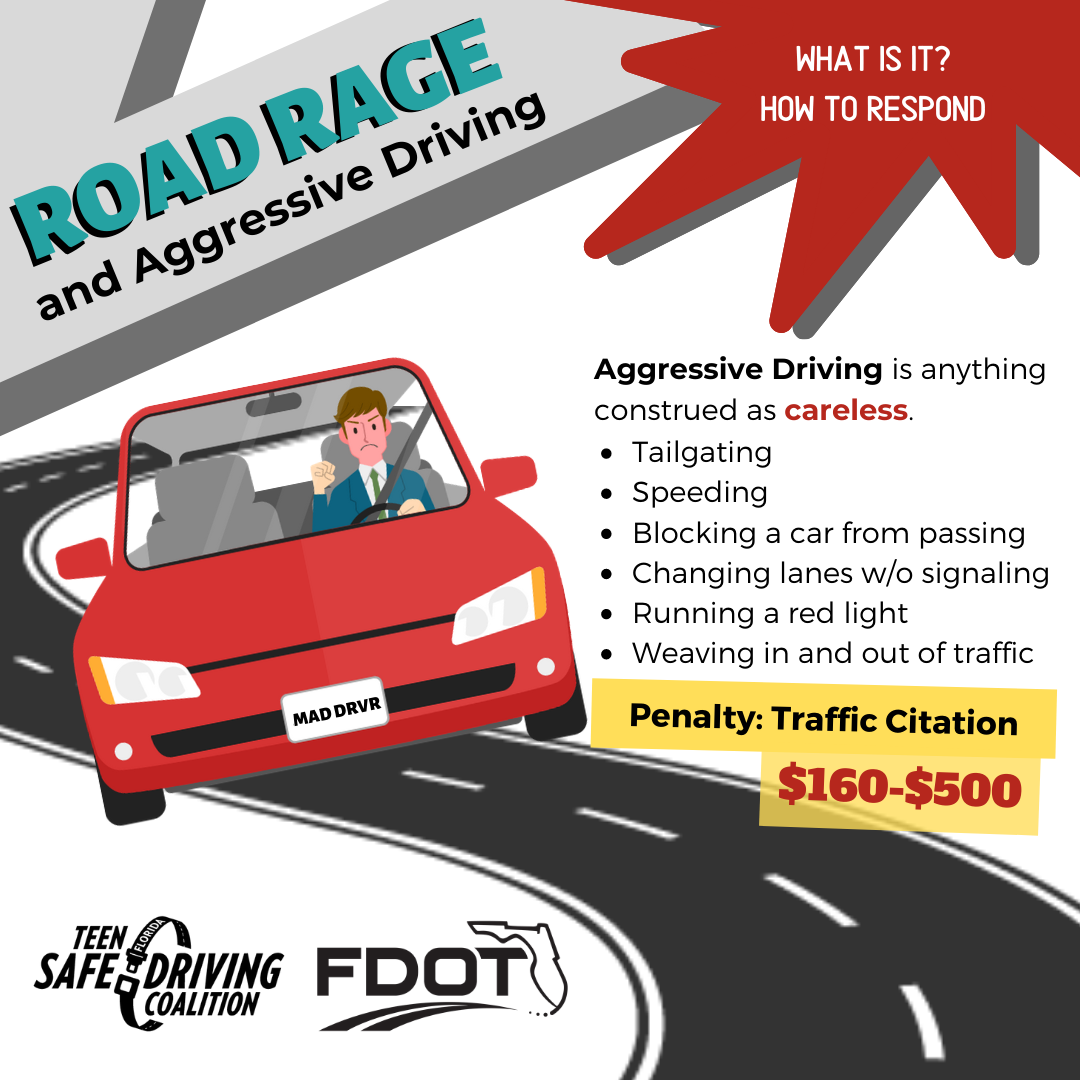
Understanding why people act the way they do behind the wheel – what we sometimes call "traffic psychology" – is seriously powerful. It’s not just about knowing the rules of the road; it's about understanding the unwritten rules of human behavior. By understanding the psychology of road rage, you can learn to predict potentially aggressive situations, manage your own reactions, and ultimately become a much safer and more confident driver.
Here's a simple tip that can make a big difference: Before you even start the car, take three deep breaths. It sounds simple, but it helps center you and sets a calmer tone for your entire drive.
Aggression on Asphalt: City vs. Rural Roads
Okay, let's break down how aggression can show up differently depending on where you're driving. City driving and rural driving present very different challenges, and understanding those differences can help you anticipate potential problems and react safely.
City Driving: A Pressure Cooker
Think about city driving. What comes to mind? Stop-and-go traffic, constant lane changes, pedestrians darting across the street, cyclists, buses, delivery trucks…it's a lot! This constant barrage of stimuli can create a sense of urgency and pressure. People are often rushing to appointments, trying to navigate unfamiliar routes, or just plain stressed out from their day.
This environment can easily trigger aggressive driving behaviors. You might see: Tailgating: Drivers feeling impatient and trying to intimidate you into going faster. Cutting people off: Aggressively changing lanes without signaling or leaving enough space. Honking: Excessive and unnecessary horn use, often out of frustration. Speeding: Ignoring speed limits to try and get ahead in heavy traffic. Blocking intersections:Getting stuck in the middle of an intersection when the light changes, preventing other drivers from proceeding.
All of these actions are signs of aggression and can significantly increase the risk of accidents. Remember, safe driving habits are essential, especially in chaotic urban environments. Practicing road rage prevention starts with understanding these triggers.
Rural Driving: The Silent Frustration
Rural driving might seem more relaxed at first glance, but it has its own set of triggers for aggression. Long stretches of road with few passing opportunities can lead to frustration, especially if you're stuck behind a slow-moving vehicle. Limited visibility due to hills, curves, or farm equipment can also increase anxiety and impatience.
Here’s where aggression might appear in the countryside: Risky Passing: Attempting to pass other vehicles in unsafe conditions, such as on blind curves or hills. Speeding: Exceeding speed limits on open roads, often to make up for lost time or relieve boredom. Tailgating: Pressuring slower vehicles to go faster, even when passing is not possible. Driving Under the Influence: Unfortunately, rural areas can sometimes see higher rates of drunk driving due to fewer public transportation options. Disregard for Farm Equipment:Impatiently trying to maneuver around slow-moving tractors or other farm vehicles, potentially causing accidents.
The key difference is that in rural areas, the aggression often manifests as risky behavior due to boredom and pent-up frustration, rather than the overt hostility you might see in the city.
Understanding the Root Causes of Aggressive Driving
So, what's really going on inside the heads of these drivers? It's not always about the traffic itself.
Why do some drivers get road rage?
Road rage is often a symptom of underlying issues. Stress from work, financial worries, relationship problems, or even just a bad day can all contribute to a driver's emotional state. When these emotions are bottled up, even a minor traffic inconvenience can trigger an explosive reaction. Certain personality traits, such as impulsivity and hostility, can also make people more prone to road rage. Sometimes, it's simply a lack of empathy – an inability to see other drivers as people with their own lives and challenges. And unfortunately, some people simply have poor anger management skills and struggle to control their reactions in stressful situations. Recognizing these potential triggers is a crucial part of road rage prevention.
What triggers aggressive driving?
Several factors can contribute to aggressive driving. A sense of anonymity behind the wheel can make people feel less accountable for their actions. Traffic congestion creates frustration and a feeling of being trapped. Time pressure, such as being late for an appointment, can lead to impatience and risky behavior. Perceived disrespect from other drivers, such as being cut off or tailgated, can trigger anger and a desire for retaliation. A lack of sleep can impair judgment and increase irritability. Even something as simple as hunger can make people more easily frustrated. Understanding these triggers can help you anticipate and avoid situations that might escalate into aggressive driving.
How can I stay calm in traffic?
Staying calm in traffic is a skill that can be developed with practice. First, accept that traffic delays are inevitable and beyond your control. Second, focus on your own driving and avoid getting drawn into other people's behavior. Practice relaxation techniques, such as deep breathing or listening to calming music. Give yourself plenty of time to reach your destination so you don't feel rushed. Avoid making eye contact with aggressive drivers, as this can escalate the situation. If you find yourself getting angry, pull over to a safe location and take a break. Remember, your safety and well-being are more important than arriving on time. Mastering these techniques is key to staying calm in traffic and practicing safe driving habits.
Practical Strategies for Staying Safe
Okay, you knowwhyit happens, but what canyoudo about it? Here are some practical strategies for handling driving stress and staying safe on the road, whether you're navigating city streets or cruising down country roads.
1. Plan Ahead and Be Prepared
Know your route: Familiarize yourself with the route before you leave, especially in unfamiliar areas. Use a GPS or navigation app, but set it upbeforeyou start driving. Check traffic conditions: Before you leave, check traffic apps to identify potential delays and adjust your route accordingly. Allow extra time: Add buffer time to your journey to avoid feeling rushed. A few extra minutes can make a big difference in your stress level. Prepare your vehicle: Ensure your car is in good working order with adequate fuel, tire pressure, and fluids. A breakdown can be a major source of stress.
2. Manage Your Mindset
Practice mindfulness: Focus on the present moment and avoid dwelling on past mistakes or future worries. Reframe your thinking: Instead of viewing traffic as an obstacle, see it as an opportunity to relax and listen to music or a podcast. Develop empathy: Remind yourself that other drivers are also trying to get somewhere and may be dealing with their own stresses. Avoid taking things personally: Don't assume that other drivers are intentionally trying to upset you. Their actions are usually not directed at you personally.
3. Control Your Reactions
Breathe deeply: Practice deep, slow breathing to calm your nerves and lower your heart rate. Avoid escalating situations: Don't honk your horn excessively or engage in aggressive gestures. Maintain a safe distance: Leave plenty of space between your vehicle and the vehicle in front of you. Let it go: If another driver cuts you off or makes a mistake, resist the urge to retaliate. Just let it go and focus on your own driving. Remove yourself from the situation:If you're feeling overwhelmed, pull over to a safe location and take a break.
4. Practice Defensive Driving
Be aware of your surroundings: Scan the road ahead and check your mirrors frequently. Anticipate potential hazards: Watch out for pedestrians, cyclists, and other vehicles that might make unexpected movements. Adjust your speed to the conditions: Slow down in bad weather or heavy traffic. Signal your intentions: Use your turn signals to communicate your intentions to other drivers. Be prepared to react:Keep your foot near the brake pedal and be ready to take evasive action if necessary.
Confidence Behind the Wheel
Learning to handle the pressures of driving, whether it's in a bustling city or on a quiet rural road, is a journey. It takes time, patience, and a willingness to learn. But by understanding the psychology behind aggressive driving and implementing practical strategies for staying calm and safe, you can build your confidence and become a more responsible and skilled driver. The road might throw you curveballs, but you've got this!