
Ever feel like some drivers are living in their own little world? Like they don't see you, or they're convinced they're the only ones who know how to drive? You're not alone. Driving is a complex mix of skill, awareness, and… psychology.
Understanding how our brains sometimes play tricks on us while we're behind the wheel can make a huge difference. It can help you anticipate other drivers' actions (even the bad ones!), manage your own stress, and ultimately become a safer, more confident driver. Trust me, learning about this stuff isn't just interesting; it's a real superpower on the road.
Here's a simple habit to start with: before you pull out into traffic, take an extra second to scan. Really scan. Don't just glance. Make sure youactuallysee what's coming, instead of just assuming it's clear. That extra second can prevent a lot of headaches.
The Tricky World of Cognitive Bias in Driving
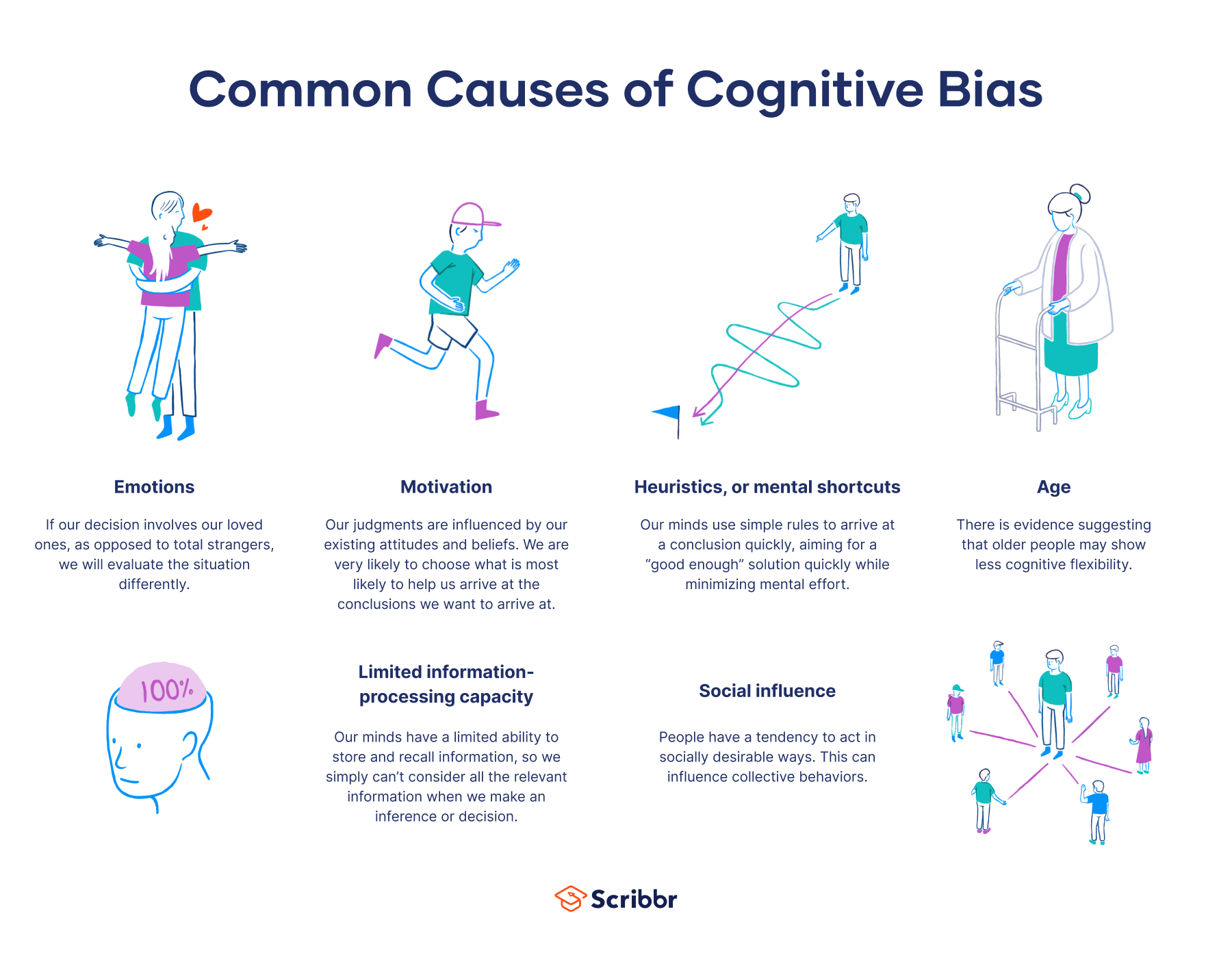
Cognitive biases are essentially mental shortcuts our brains use to make decisions quickly. They’re usually helpful, but when driving, they can lead to errors in judgment, risky behavior, and even accidents. Think of them as little glitches in your thinking that can affect how you perceive and react to things on the road. Let's explore some common biases and how they manifest while driving.
Confirmation Bias: Seeing What You Want to See
Confirmation bias is the tendency to favor information that confirms your existing beliefs or expectations. Imagine youthinkthe left lane is always faster. You might only notice the times itisfaster, ignoring all the times it's jammed with traffic. This can lead you to make choices based on incomplete information, like constantly switching lanes unnecessarily, increasing your risk of an accident.
In driving, this bias can also influence how you perceive other drivers. If you already believe that SUVs are driven by aggressive people, you might interpret a perfectly normal action by an SUV driver as aggressive, reinforcing your bias. This can lead to unnecessary stress and potentially aggressive reactions on your part. Understanding this bias helps you become more objective in your observations and less likely to jump to conclusions about other drivers or traffic situations.
Optimism Bias: "It Won't Happen to Me"
This is the belief that you are less likely to experience negative events than others. It's why some people speed or text while driving, thinking "I'm a good driver; I can handle it." The problem is, optimism bias blinds you to real risks. It makes you underestimate the likelihood of an accident, even when engaging in dangerous behaviors.
Road rage prevention starts with understanding the limits of your own skills and attention. No one is immune to accidents, and even a momentary lapse in concentration can have serious consequences. Acknowledging this fact is crucial for adopting safe driving habits and staying alert.
Availability Heuristic: Judging Based on Recent Experiences
The availability heuristic involves making decisions based on the information that is most readily available in your mind. For example, if you recently saw a news report about a car crash caused by a distracted driver, you might overestimate the risk of distracted driving and become hyper-vigilant about other drivers using their phones.
While awareness is good, the availability heuristic can also lead to skewed perceptions. You might become overly anxious about a particular type of accident, even if it's statistically rare. It’s important to balance recent experiences with objective information and statistics to maintain a realistic perspective on risk.
Anchoring Bias: Getting Stuck on a Number
Anchoring bias occurs when you rely too heavily on the first piece of information you receive (the "anchor") when making decisions. For example, if you see a sign indicating a speed limit of 55 mph, you might unconsciously maintain that speed even when the road conditions change (e.g., rain, fog). The initial speed limit becomes the anchor, influencing your subsequent speed adjustments.
This bias can be particularly dangerous in dynamic driving environments. It's crucial to constantly reassess the situation and adjust your speed and driving behavior accordingly, regardless of the initial "anchor" you received.
Practical Tips for Overcoming Biases and Staying Calm in Traffic
Okay, so we've talked about the biases. What can youactuallydo about them? It's all about awareness and developing habits to counteract these mental shortcuts. Here are a few ideas that can help with safe driving habits and handling driving stress: Acknowledge Your Biases: The first step is simply recognizing that youhavebiases. We all do! Thinking critically about your assumptions and beliefs about driving is the best way to start. Ask yourself: "Am I being objective here, or am I letting my biases influence my judgment?" Seek Out Diverse Information: Don't just rely on your own experiences or limited sources of information. Read articles, watch videos, and talk to experienced drivers to get different perspectives on traffic behavior explained. Practice Mindfulness: Mindfulness involves paying attention to the present moment without judgment. When driving, focus on your surroundings, your actions, and your physical sensations. This can help you become more aware of your biases and react more rationally to situations. Take Breaks: When you're tired or stressed, your biases are more likely to kick in. If you're feeling overwhelmed, pull over and take a break. Even a few minutes of deep breathing can help you regain focus and clarity. Plan Ahead:Rushing leads to stress, and stress amplifies biases. Planning your route and leaving plenty of time to reach your destination can help you stay calm and avoid making hasty decisions.
Why do some drivers get road rage?
Road rage is often a manifestation of underlying anger or frustration, amplified by stress and cognitive biases. Drivers experiencing road rage may feel entitled, believing they are being unfairly treated by other drivers. This sense of injustice can trigger a disproportionate emotional response. Optimism bias can also play a role, as drivers may overestimate their ability to handle stressful situations and underestimate the potential consequences of their actions. Moreover, anonymity within a vehicle can embolden aggressive behavior, as drivers feel less accountable for their actions.
How can I stay calm in traffic?
Staying calm in traffic requires a combination of mental techniques and practical strategies. Deep breathing exercises, such as taking slow, deep breaths from your diaphragm, can help regulate your heart rate and reduce feelings of anxiety. Listening to calming music or podcasts can also create a more relaxed driving environment. It's important to avoid engaging with aggressive drivers, as this can escalate the situation. Instead, focus on maintaining a safe distance and avoiding eye contact. Remember that traffic is often unpredictable, and accepting delays as part of the driving experience can reduce frustration.
What triggers aggressive driving?
Several factors can contribute to aggressive driving. Time pressure, such as being late for an appointment, can lead drivers to take risks and become impatient with other drivers. High traffic density can also increase stress levels, as drivers feel confined and frustrated by slow-moving vehicles. Perceived disrespect from other drivers, such as being cut off or tailgated, can trigger feelings of anger and resentment. Additionally, personal stressors, such as financial problems or relationship issues, can carry over into the driving experience, making drivers more prone to aggressive behavior. Finally, certain personality traits, such as impulsivity and hostility, can predispose individuals to aggressive driving.
Building Confidence Behind the Wheel
Driving can be challenging, but understanding the psychology behind it can make a world of difference. By recognizing your own biases and developing strategies to manage them, you can become a safer, more confident, and more relaxed driver. It's a journey, not a destination, so be patient with yourself and keep learning!
Remember, every experienced driver started where you are now. With awareness and practice, you've got this.